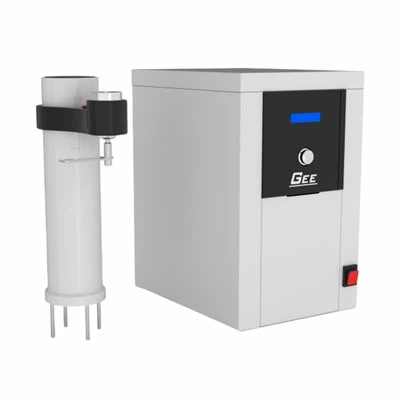
The extraction technique of a coffee machine is an important step in ensuring the quality and flavor of coffee. Here are some key extraction techniques:
1. Choose the appropriate coffee beans
Coffee bean quality: Select high-quality coffee beans that are fresh and moderately roasted. The freshness and roasting of coffee beans directly affect the flavor of the extracted coffee.
Grinding degree: Choose the appropriate coffee grinding degree based on the type of coffee machine (such as drip filter, Italian espresso, etc.) and extraction method. Grinding degree can affect extraction time and the taste of coffee.

2. Control water temperature and quality
Water temperature: Maintaining an appropriate water temperature is crucial for extraction. Generally speaking, water temperatures between 90 ° C and 96 ° C are suitable for most extraction methods. Excessive water temperature can cause excessive extraction of coffee, resulting in a bitter taste; If the water temperature is too low, it may lead to insufficient extraction and excessive acidity.
Water quality: Use purified water or filtered water to extract coffee to avoid impurities in the water affecting the flavor of the coffee.
3. Accurately control the extraction time
The length of extraction time directly affects the concentration and taste of coffee. A too short extraction time may result in a weak coffee flavor, while a too long extraction time may make the coffee taste bitter.
Adjust the extraction time according to the type of coffee machine and the degree of grinding of the coffee beans to achieve the best taste. For example, the extraction time for Italian espresso is usually 25-30 seconds, while the extraction time for drip coffee may be longer.
4. Uniform powder distribution and pressing
Fabric powder: Before extraction, evenly distribute the coffee powder in the powder bowl of the coffee machine to ensure that water flows evenly through the coffee powder layer during extraction.
Powder pressing: For the coffee machine that needs powder pressing (such as espresso machine), use proper strength to compact the coffee powder to form a compact powder. Excessive powder pressing force can make it difficult for water flow to pass through, while insufficient powder pressing force may result in uneven extraction.
5. Pay attention to the extraction pressure
For coffee machines such as Italian espresso machines that require high-pressure extraction, maintaining a stable extraction pressure is crucial. Insufficient extraction pressure can lead to a weak coffee flavor, while excessive extraction pressure may make the coffee taste too bitter.
6. Regular cleaning and maintenance
Regularly cleaning the coffee machine can remove residual coffee oil and impurities, maintain the good working condition and extraction effect of the coffee machine.
Regularly inspect and maintain various components of the coffee machine, such as the water pump, heating element, etc., to ensure their normal operation.
7. Try different extraction parameters
Different combinations of coffee beans, grinding degree, water temperature, and extraction time will produce different coffee flavors. By trying different extraction parameters, one can explore a coffee extraction method that suits their own taste.
In summary, the extraction techniques of a coffee machine involve multiple aspects, including selecting suitable coffee beans, controlling water temperature and quality, accurately controlling extraction time, evenly distributing and pressing powder, paying attention to extraction pressure, and regular cleaning and maintenance. Mastering these techniques can help produce high-quality coffee.