Why Choose Us
Rich Experience
With years of hands-on experience in the development and design of household appliances and consumer electronics, we have consistently positioned ourselves at the forefront of innovation.
Professional Technical
Building on our robust development skills, we have expanded our focus to specialize in the research, design, and production of espresso machines and brewing equipment for both coffee and tea.
Quality Guaranteed
Our range of products, from espresso machines to tea brewing systems, is crafted with cutting-edge designs suitable for both home and commercial use.
Competitive Price
Not only do our products rival the functionality and quality of European imports, but they also offer a more competitive price point.
Drip coffee makers are devices designed to produce a delicious cup of coffee by brewing hot water through coffee grounds. They are popular among coffee enthusiasts due to their simplicity, consistency, and ability to deliver a well-extracted cup of coffee.
-
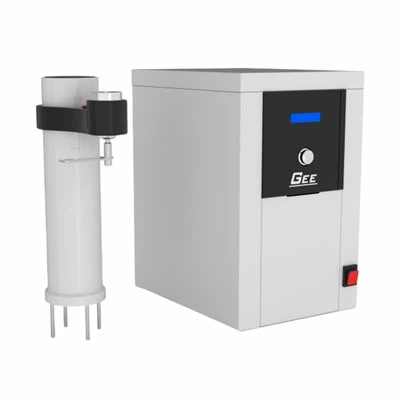
![Cold Brew Drip Machine]() Cold Brew Drip MachineThe Mr. Ice automatic cold brew coffee machine from GEE revolutionizes the way cold brew coffee is made. By digitizing the factors that affect flavor, this machine makes it simple to achieve a perfectly balanced taste, solving the commonread more
Cold Brew Drip MachineThe Mr. Ice automatic cold brew coffee machine from GEE revolutionizes the way cold brew coffee is made. By digitizing the factors that affect flavor, this machine makes it simple to achieve a perfectly balanced taste, solving the commonread more -
![Cold Coffee Drip Machine]() Cold Coffee Drip MachineIntroducing Mr. Ice by GEE, an innovative automatic cold brew coffee machine designed to simplify and perfect the cold brew process. By digitizing all the variables that influence flavor, Mr. Ice allows users to easily adjust and controlread more
Cold Coffee Drip MachineIntroducing Mr. Ice by GEE, an innovative automatic cold brew coffee machine designed to simplify and perfect the cold brew process. By digitizing all the variables that influence flavor, Mr. Ice allows users to easily adjust and controlread more -
![Cold Drip Machine]() Cold Drip MachineGEE's Mr. Ice takes the guesswork out of making cold brew coffee by digitizing all the variables that affect its flavor. This automatic machine allows users to easily adjust the taste of their cold brew, ensuring a consistent andread more
Cold Drip MachineGEE's Mr. Ice takes the guesswork out of making cold brew coffee by digitizing all the variables that affect its flavor. This automatic machine allows users to easily adjust the taste of their cold brew, ensuring a consistent andread more -
![Cold Water Drip Coffee Maker]() Cold Water Drip Coffee MakerMr. Ice by GEE is an advanced automatic cold brew coffee machine that transforms the cold brew process by digitizing all flavor-influencing variables. This ensures that users can easily control and adjust the taste of their coffee, makingread more
Cold Water Drip Coffee MakerMr. Ice by GEE is an advanced automatic cold brew coffee machine that transforms the cold brew process by digitizing all flavor-influencing variables. This ensures that users can easily control and adjust the taste of their coffee, makingread more -
![Commercial Drip Coffee Maker]() Commercial Drip Coffee MakerThe GEE Pro Counter Top-Main Machine (GCM-2109T) is a countertop coffee and tea espresso machine, evolved from the GCM2109S model specifically to accommodate tea espresso. Given that tea espresso requires significantly more water thanread more
Commercial Drip Coffee MakerThe GEE Pro Counter Top-Main Machine (GCM-2109T) is a countertop coffee and tea espresso machine, evolved from the GCM2109S model specifically to accommodate tea espresso. Given that tea espresso requires significantly more water thanread more -
![Professional Drip Coffee Maker]() Professional Drip Coffee MakerThe GEE Pro Counter Top-Main Machine (GCM-2109C) is a versatile, compact coffee machine that’s perfect for customers who need a space-efficient solution. This model is based on the GCM-2109S and includes a built-in drip tray, so there’s noread more
Professional Drip Coffee MakerThe GEE Pro Counter Top-Main Machine (GCM-2109C) is a versatile, compact coffee machine that’s perfect for customers who need a space-efficient solution. This model is based on the GCM-2109S and includes a built-in drip tray, so there’s noread more -
![Slow Drip Cold Brew Coffee Maker]() Slow Drip Cold Brew Coffee MakerExperience the future of cold brew coffee with GEE's Mr. Ice, an automatic machine that digitizes every variable affecting flavor. This innovative device allows for easy adjustment and control of coffee taste, solving the problems ofread more
Slow Drip Cold Brew Coffee MakerExperience the future of cold brew coffee with GEE's Mr. Ice, an automatic machine that digitizes every variable affecting flavor. This innovative device allows for easy adjustment and control of coffee taste, solving the problems ofread more -
![Espresso Machine and Drip Coffee]() Espresso Machine and Drip CoffeeIntroducing the GEE Pro Counter Top-Main Machine (GCM-2109C), a compact, all-in-one coffee maker designed for those with limited space. Built on the GCM-2109S platform, this model comes with an integrated drip tray, eliminating the needread more
Espresso Machine and Drip CoffeeIntroducing the GEE Pro Counter Top-Main Machine (GCM-2109C), a compact, all-in-one coffee maker designed for those with limited space. Built on the GCM-2109S platform, this model comes with an integrated drip tray, eliminating the needread more -
![Coffee Drip Equipment]() Coffee Drip EquipmentThe GEE Pro Counter Top-Main Machine (GCM-2109C) is a space-saving, integrated coffee machine ideal for those who want a compact setup without the need for an external control box. Derived from the GCM-2109S model, this machine includes anread more
Coffee Drip EquipmentThe GEE Pro Counter Top-Main Machine (GCM-2109C) is a space-saving, integrated coffee machine ideal for those who want a compact setup without the need for an external control box. Derived from the GCM-2109S model, this machine includes anread more


There are many reasons why drip brew coffee remains a favorite brewing method for millions of people around the world. Here are some of the top benefits:
Consistent Quality: Drip coffee makers are designed to brew coffee at the optimal temperature and time to extract maximum flavor. This consistency ensures that every pot of coffee is as good as the last, making it ideal for those who appreciate reliability in their brew.
Customizable Brew Strength: Many drip machines offer settings that allow you to control the strength of drip-brewed coffee. You can adjust the settings to suit your taste, whether you prefer a milder flavor or a strong, robust cup.
Convenience: Drip coffee machines make your coffee routine as effortless as possible, with features like programmable start times, auto shut-off, and even built-in grinders.
Suitable for Large Quantities: Drip brewers typically make more coffee at once than other methods, such as single-serve or pour-over. This makes them an excellent choice for families or anyone who needs multiple cups to start their day.
Affordability: While there are high-end drip coffee makers, many affordable options do a fantastic job. This accessibility makes drip brew coffee a practical choice for many coffee lovers.
Should I Turn My Drip Coffee Maker off Every Night?
If you are a coffee lover, you might be wondering whether you need to turn your coffee machine off every night. While some people think it's better to switch off appliances to save energy, others believe that leaving a coffee maker on standby can harm its components and affect the flavor of the coffee. One key element that may affect your decision is the flow sensor in your coffee machine.
To keep your coffee machine running smoothly and ensure that your coffee tastes great every time, it's recommended that you turn off your coffee maker every night and unplug it from the power outlet. This will help to conserve energy and prevent any potential hazards from occurring. It's also a good idea to clean your coffee machine regularly and replace any worn-out parts, including the flow sensor, if necessary.
In conclusion, the answer to "should I turn my coffee machine off every night?" may not be straightforward, but taking care of your coffee maker's flow sensor is definitely an important consideration. By following some simple maintenance tips and making sure your coffee machine is in good condition, you can enjoy delicious, piping hot coffee whenever you want without worrying about its impact on the environment or your safety.
Measure the Coffee
When using a drip coffee makers, you want to use roughly 1 tablespoon of coffee per cup of water. Because there is no filter, using the correct measurements is twice as important.
Fill Halfway
Once you have added the coffee to the bottom of the press, fill halfway with water. Pause to let the coffee bloom (bubble). The fresher the roast, the more the coffee will bloom.
Finish Filling and Steep
Once the bloom has stopped, fill the remaining space with hot water. Allow the coffee to steep for at least 3 minutes.
Plunge
Insert the plunger into the device and press slowly.

How to Clean a Drip Coffee Maker with Baking Soda?

Baking soda is another great cleaning agent that many coffee lovers prefer over soap because it does not leave any soapy residue that could affect the flavor of the coffee. While we firmly believe that a thorough rinse is enough to remove any soapy residue, baking soda is definitely a go-to cleaner. The advantages of baking soda as your cleaning agent include:
- Less potent odor than vinegar. Any vinegar residue left after an incomplete rinsing will add an unpleasant vinegar taste.
- Breaks down oils. Like vinegar, baking soda will break down and remove any oils. It's also good at removing any stains if they exist. Visible coffee stains means WAY too much stale coffee build up.
- More effective scrubbing. Adding baking soda to the water you clean with adds a bit of grainy texture that is perfect for physically breaking up and removing build up. But, it's also gentle enough to avoid scratching up your equipment. It's like an exfoliating scrub for your coffee equipment.
- Baking soda is an effective replacement for soap and can be used as part of your daily cleaning routine. We still, however, recommend a vinegar clean every 4-6 weeks for your deep-cleaning routine.
Components of Drip Coffee Maker
Water Reservoir
The water reservoir is an essential part of a drip coffee maker. It's a container where water is stored before the brewing process starts. During brewing, water is transferred from the reservoir through a tube to the heating element.
Filter Basket
Filter baskets are crucial in drip coffee makers as they hold the coffee grounds in place. They can be made of metal or paper, and their main function is to prevent coffee grounds from getting into your brewed coffee. The hot water passes through the coffee grounds, extracting the flavors and oils, and the filter basket ensures that only the liquid passes through, leaving the grounds behind.
Carafe
A carafe is the container in which the brewed coffee is collected and stored. It can be made of glass or stainless steel, with the latter being more effective in keeping the coffee hot for longer periods of time. The carafe is placed under the filter basket, where it catches the brewed coffee as it drips through the filter.
Showerhead
The showerhead is a component designed to evenly distribute hot water over the coffee grounds in the filter basket. This ensures that all coffee grounds are soaked and the extraction of flavors and oils is consistent across the entire batch of coffee. Proper distribution of water contributes to a better-tasting coffee.
Heating Element
The heating element plays a vital role in the drip coffee maker's process. It's responsible for heating the water from the reservoir to the optimal temperature for brewing (approximately 195-205°F). The heated water is then transferred through a tube to the showerhead, where it drips over the coffee grounds in the filter basket, starting the brewing process.
The drip coffee brewing process is straightforward yet fascinating, like a well-choreographed dance. The various steps in this process play a critical role in converting simple coffee grounds into a delightful brew that wakes you up and warms your soul. Let's take a closer look at this process.
It all starts with water heating. The coffee maker heats water to the ideal brewing temperature, usually around 200°F. This precise temperature is key to creating the perfect balance of flavors from the grounds. Once heated, the water is evenly dispersed over the coffee grounds, ensuring uniform saturation. This step is critical for achieving a consistent extraction.
As the hot water filters through the grounds, it extracts the flavors, oils, and aromas that make coffee so irresistible. The brewed coffee then filters through a paper or metal filter into the carafe, ready to be enjoyed. The result? A cup of coffee that's smooth, flavorful, and just the right temperature.
- Water Heating: The coffee maker heats water to the ideal brewing temperature (around 200°F).
- Water Dispersion: Hot water is evenly dispersed over the coffee grounds.
- Extraction: Water passes through the grounds, extracting flavors, oils, and aromas.
- Filtration: Brewed coffee is filtered through a paper or metal filter into the carafe.
To get a great tasting brew, you should be shooting for a coffee to water ratio of roughly 1:15. Most auto-drip machines aren't made to accommodate this at full volume (if you brewed a full 12 "cup" pot with enough grounds, they'd start spilling out over the basket right away!) so its best to only fill to about the 8 cup mark on a standard 12 cup machine. If you have a smaller or larger brewer, use 2/3 full as a rule of thumb.
The "cup" measurement on coffee makers is actually only 6 ounces. So for every cup, you're going to need about 8.5 grams of coffee. In a standard 12 cup, I used 70 grams of medium-coarse ground coffee to get a great tasting brew.

Drip coffee makers are suitable for businesses such as restaurants and large offices. When choosing a machine for a commercial setting, you'll need to consider the quality of coffee required, the level of demand, the overall budget and the cost of the machine as well as its maintenance.
The quality of the coffee produced: If your machine is for a high end-coffee shop, bar or restaurant, it May be important to have a high-precision manual or semi-automatic machine so that baristas can take into account an individual customer's requests. For workplaces, an easy-to-use capsule machine or a drip filter coffee machine could be sufficient. For self-service, or high-traffic places such as canteens, service stations or airports, a fully automated coffee machine with a payment system might be more appropriate.
The level of demand: Consider the number of cups of coffee that need to be produced on an average day, as well as the number per hour during busy periods when making your choice. Filter coffee machines can produce a certain number of cups per hour while an automatic machine can produce a beverage in a matter of seconds.
Machine quality and precision: Make sure that the coffee machine has the necessary specifications for your needs. These include the maximum pressure, temperature consistency, the quality of the components and the ease of use.
Guarantees, warranties and maintenance: Consider the length of validity of the warranty and guarantee. A coffee machine can typically last from 2 to 15 years, depending on the quality. For restaurants and coffee shops, a machine that's out of order can have a significant impact on sales. Therefore, make sure to plan for the maintenance of your machines.
Our Factory
RiConn Precision Technology Co., Ltd. was established in 2007 by a team of experienced R&D engineers. With years of hands-on experience in the development and design of household appliances and consumer electronics, we have consistently positioned ourselves at the forefront of innovation.
Over the years, RiConn Precision Technology Co., Ltd. has been dedicated to pushing the boundaries of product innovation. Building on our robust development skills, we have expanded our focus to specialize in the research, design, and production of espresso machines and brewing equipment for both coffee and tea. Our range of products, from espresso machines to tea brewing systems, is crafted with cutting-edge designs suitable for both home and commercial use.

Our Certificate


Ultimate FAQ Guide to Drip Coffee Maker
We're well-known as one of the leading drip coffee maker manufacturers and suppliers in Taiwan. Please feel free to buy customized drip coffee maker at competitive price from our company. Contact us for quotation.
Commercial Drip Coffee Maker, Coffee Drip Equipment, Cold Brew Drip Machine-
![Coffee Machine for Tea]() Coffee Machine for TeaEach side includes a 1-liter main boiler and a 1-liter preheat boiler, ensuring a stable and continuous supply of hotread more
Coffee Machine for TeaEach side includes a 1-liter main boiler and a 1-liter preheat boiler, ensuring a stable and continuous supply of hotread more -
![Counter Top Espresso Machine]() Counter Top Espresso MachineThe Pro Counter Top-Main machine (GCM-2109S) from GEE is a countertop coffee machine designed to prepare threeread more
Counter Top Espresso MachineThe Pro Counter Top-Main machine (GCM-2109S) from GEE is a countertop coffee machine designed to prepare threeread more -
![Commercial Espresso Machine For Home Under Development]() Commercial Espresso Machine For Home Under DevelopmentThe GEE Dual Boiler Espresso Machine offers convenience and precision for coffee stores and mobile coffee trucks. Theread more
Commercial Espresso Machine For Home Under DevelopmentThe GEE Dual Boiler Espresso Machine offers convenience and precision for coffee stores and mobile coffee trucks. Theread more -
![Double Boiler Home Espresso Machine Under Development]() Double Boiler Home Espresso Machine Under DevelopmentExperience the ultimate in coffee-making precision with the GEE Dual Boiler Touchscreen Espresso Machine. Featuring aread more
Double Boiler Home Espresso Machine Under DevelopmentExperience the ultimate in coffee-making precision with the GEE Dual Boiler Touchscreen Espresso Machine. Featuring aread more -
![Pro Counter Top Hot Water Unit]() Pro Counter Top Hot Water UnitThe GEE Pro Counter Top - Hot Water Unit (GCM-2107) is designed for commercial settings. Its clean, modern design makesread more
Pro Counter Top Hot Water UnitThe GEE Pro Counter Top - Hot Water Unit (GCM-2107) is designed for commercial settings. Its clean, modern design makesread more -
![Pro Counter Top Steamer Unit]() Pro Counter Top Steamer UnitThe GEE Pro Counter Top steamer unit (GCM-2108) brings together professional-grade features in a sleek countertopread more
Pro Counter Top Steamer UnitThe GEE Pro Counter Top steamer unit (GCM-2108) brings together professional-grade features in a sleek countertopread more